

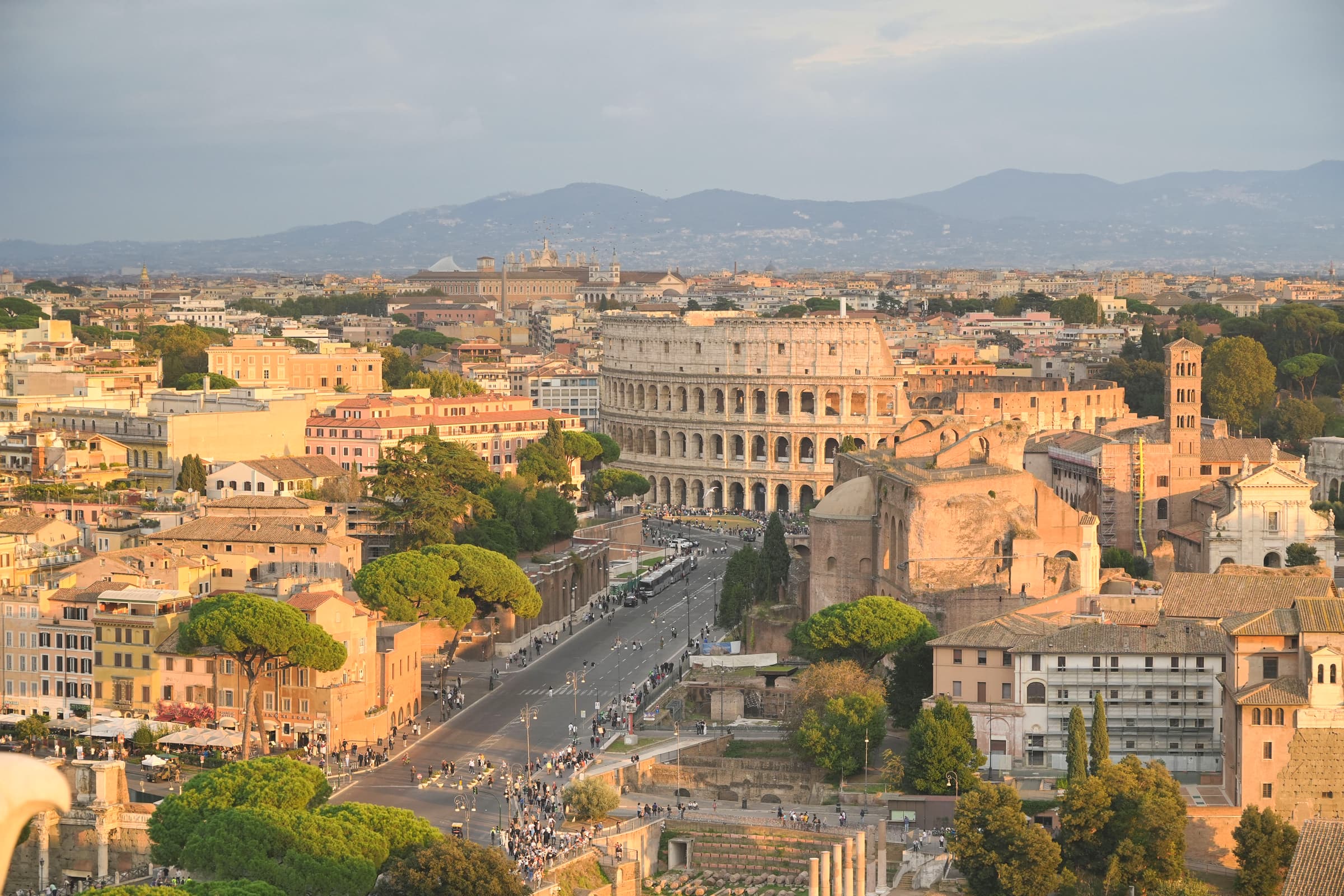
Travel to Rome with people who want the same trip as you
What to see, when to go, which route to pick and who to travel with.
Rome in a nutshell
Rome works well in 3 to 5 days: the Colosseum and the Forum, the Vatican, the Pantheon and the Trevi Fountain, and the streets of Trastevere. The best time to go is April to June or September, with mild days. Travelling in a group, you share the costs and reach every corner with people you already know from the chat.
Open trips to Rome right now
See who is going and talk to the group before you decide.
What to see in Rome
Nine places to fill your days. Visit times are approximate.
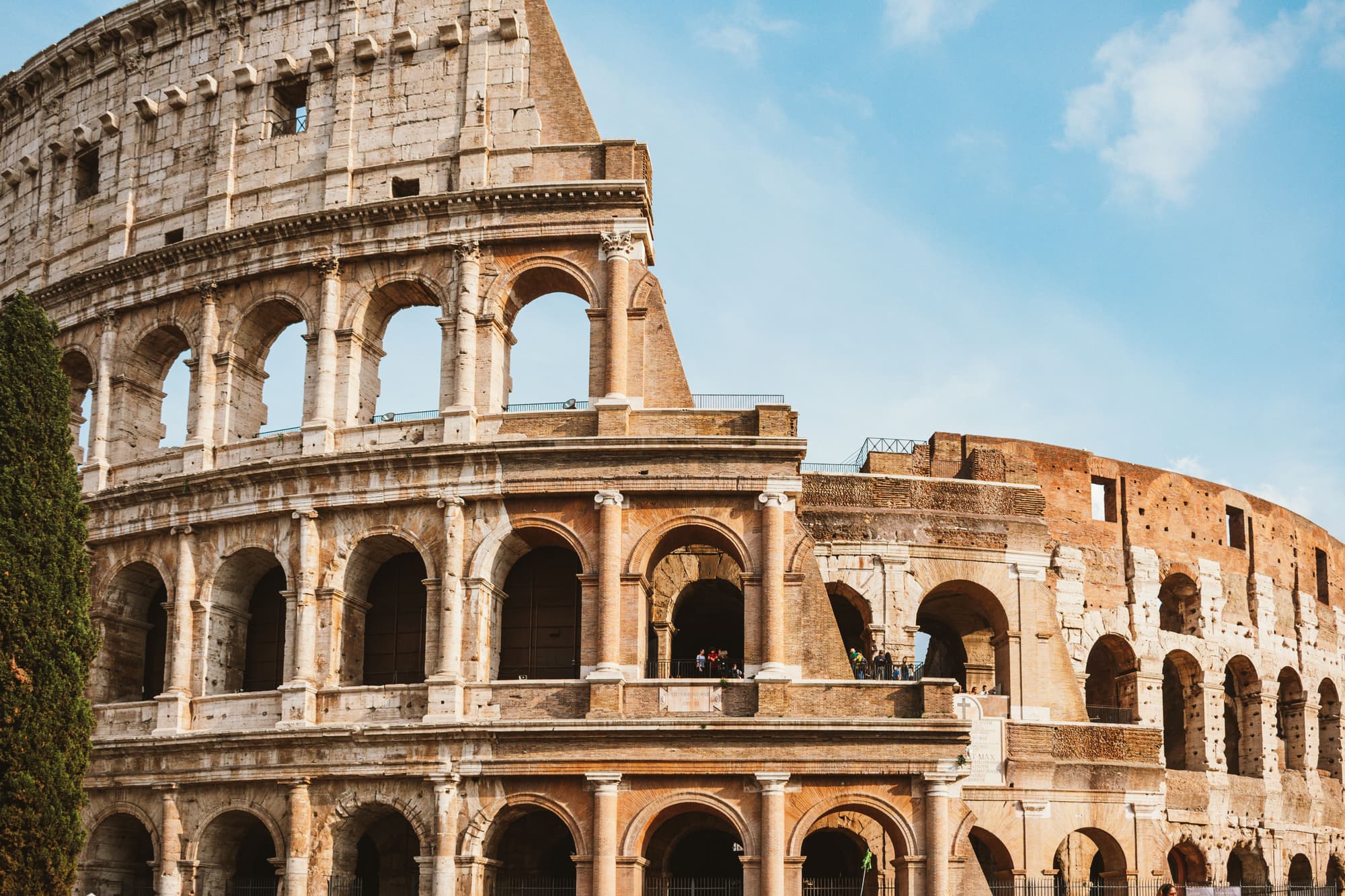
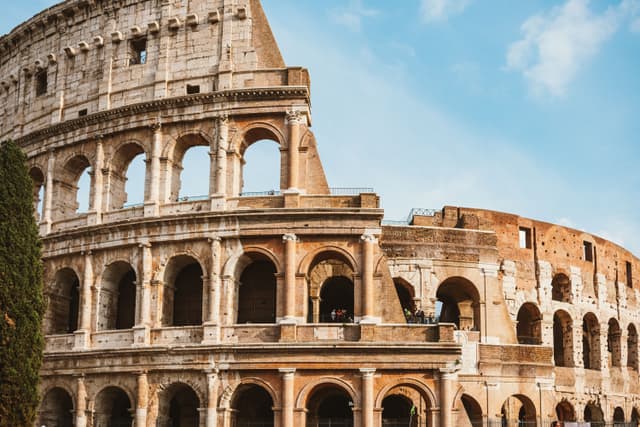
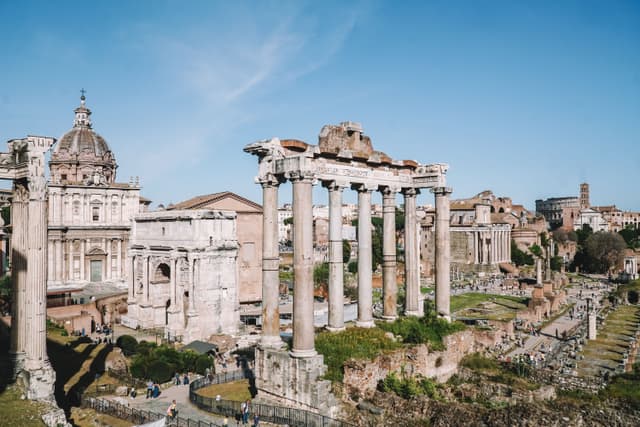
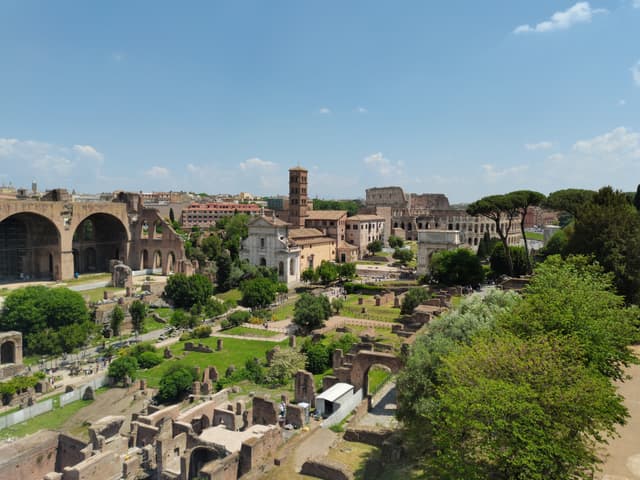
Colosseum, Roman Forum and Palatine Hill
The most famous amphitheatre in the world and, beside it, the Forum and Palatine Hill, the heart of ancient Rome. One ticket gets you into all three. Go first thing and take your time.


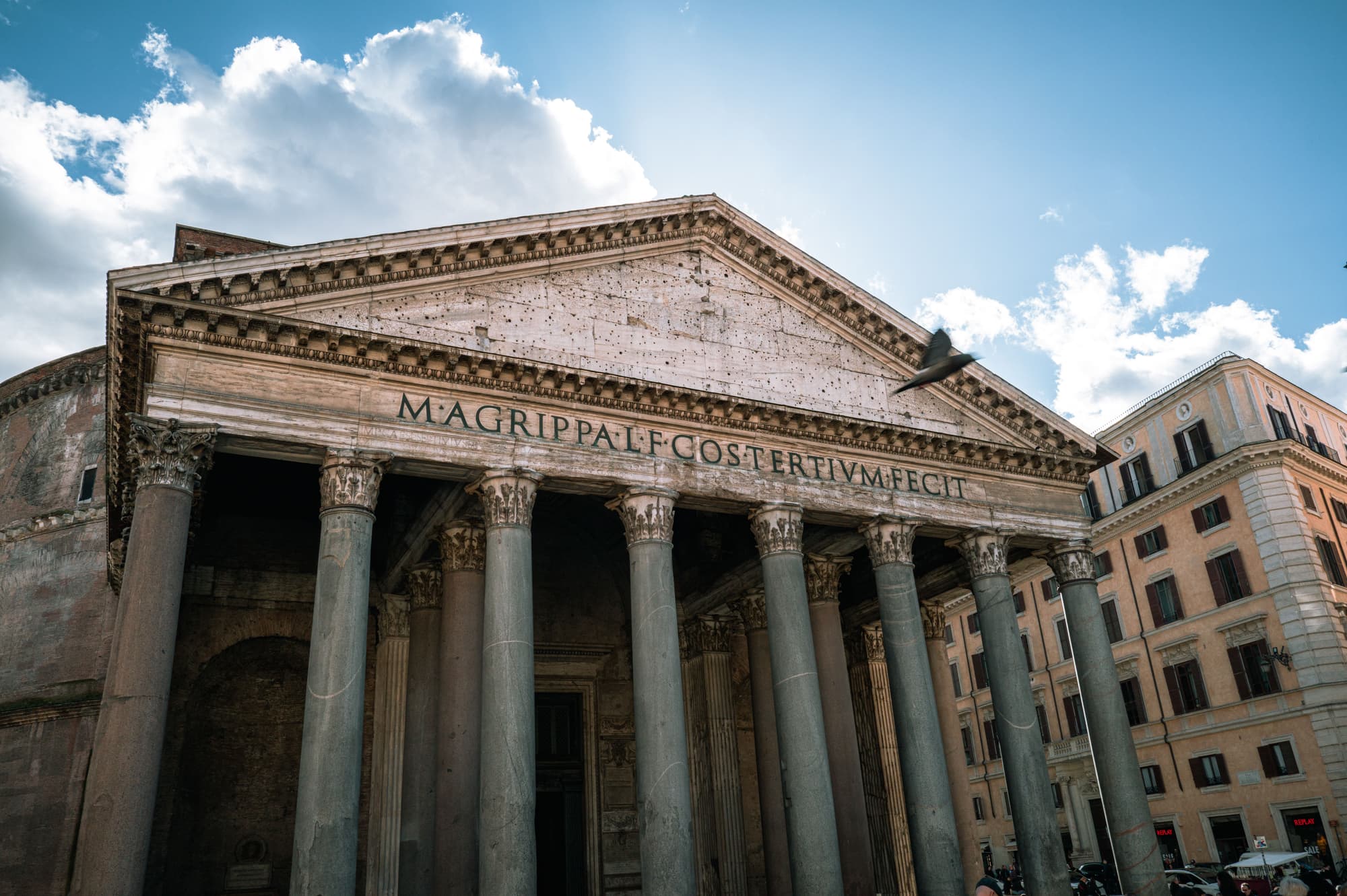
The Pantheon
A Roman temple that is still standing, with huge columns on the front. Inside, a dome with a circle open to the sky. You need a ticket, which you buy online or at the ticket desk.
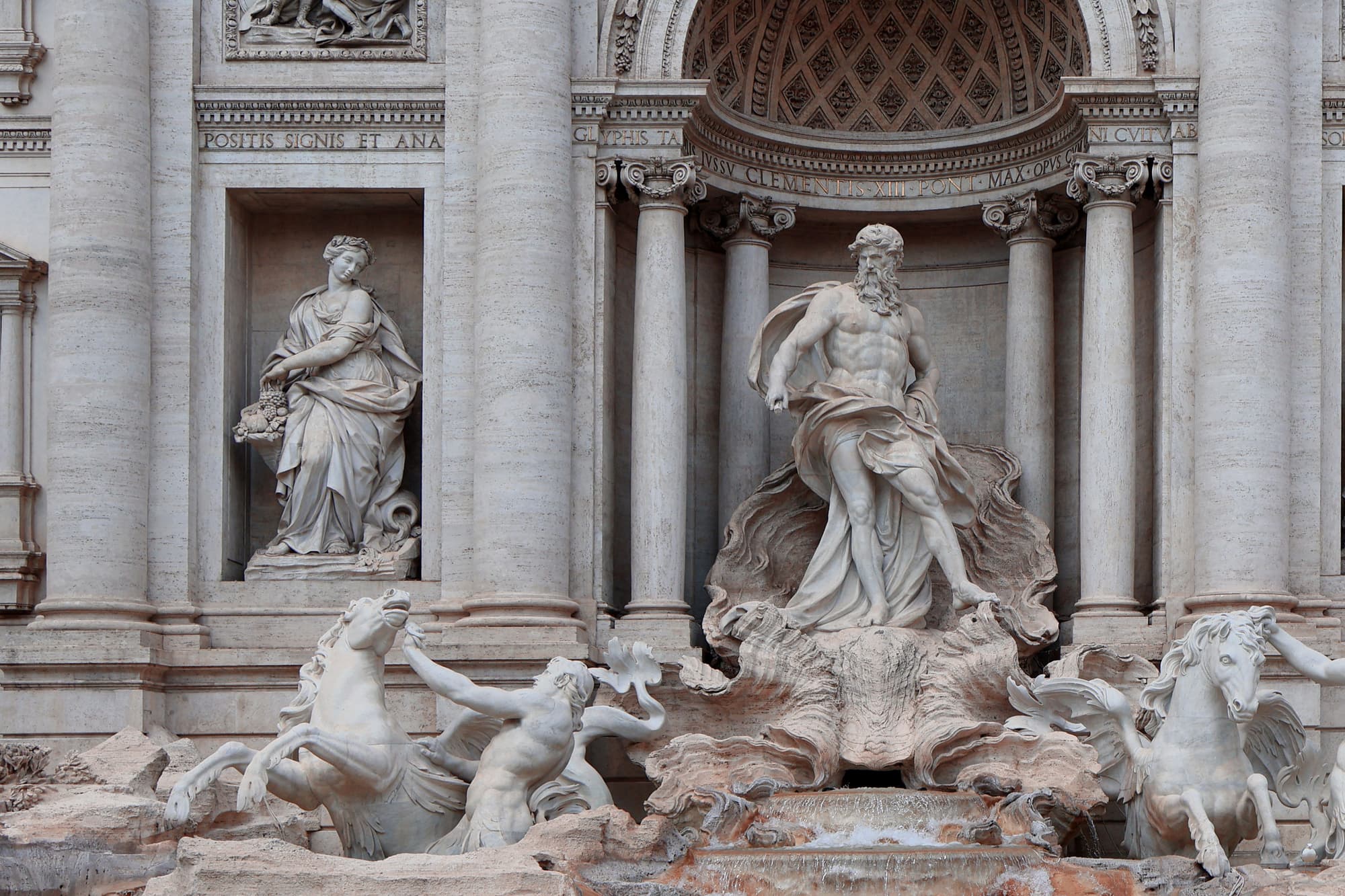
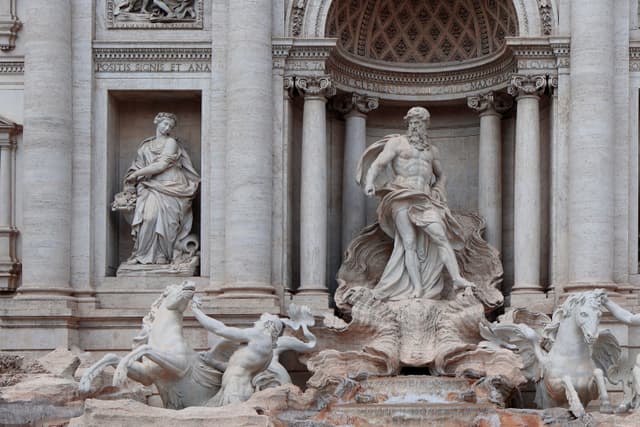
Trevi Fountain
The most famous baroque fountain in Rome, with the sea god and his horses. This is where you toss a coin. To go down to the area closest to the fountain you need a €2 ticket, for tourists and non-residents.
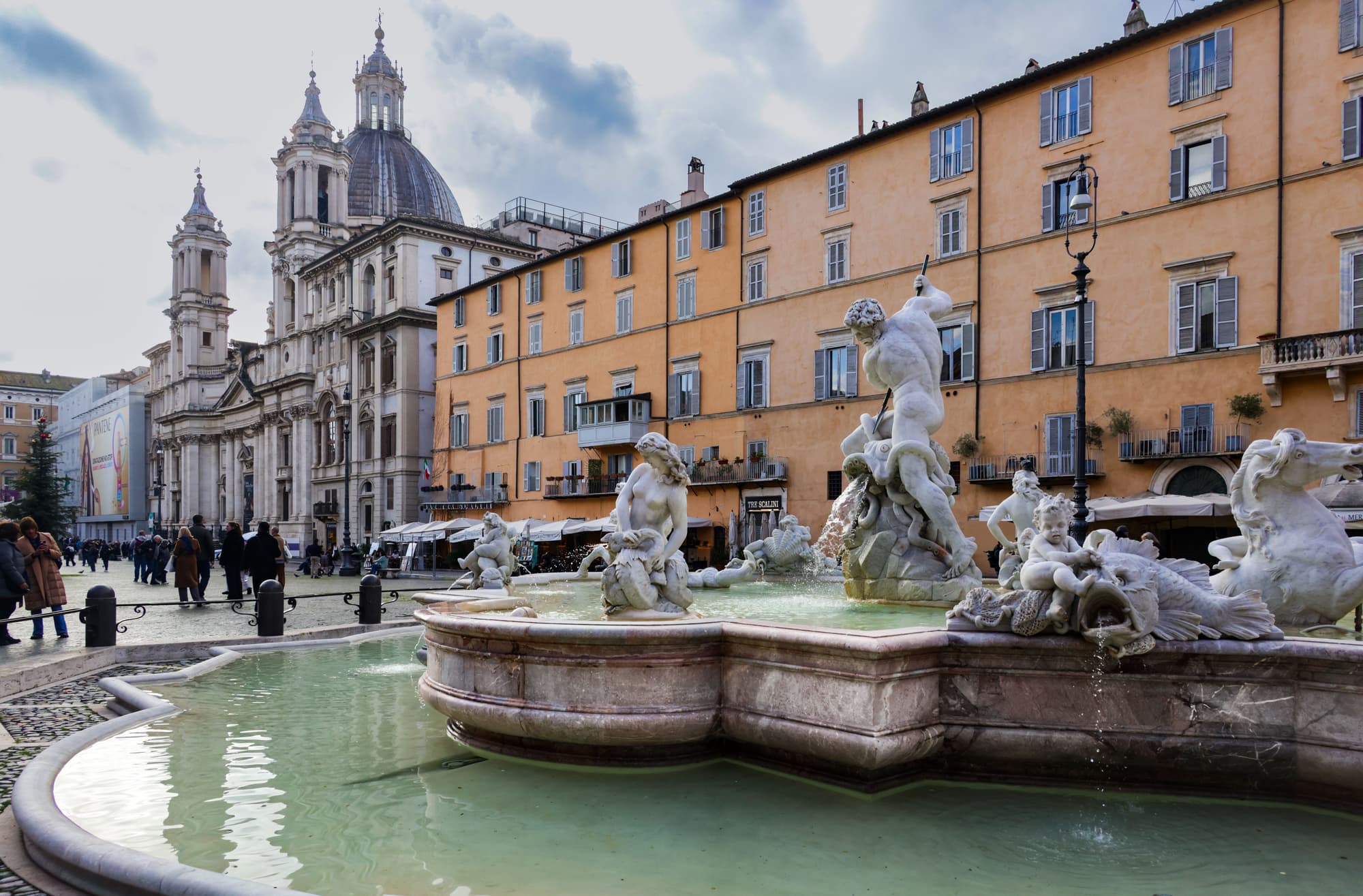
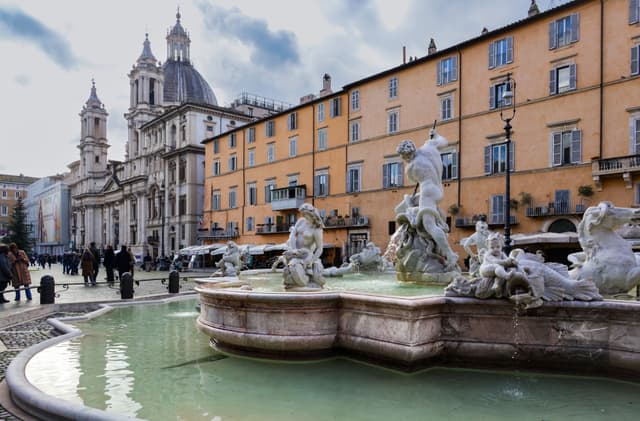
Piazza Navona
A long square, built on the site of a Roman stadium, with three fountains and café terraces. Bernini's Fountain of the Four Rivers is in the middle. Sit down and watch the afternoon go by.
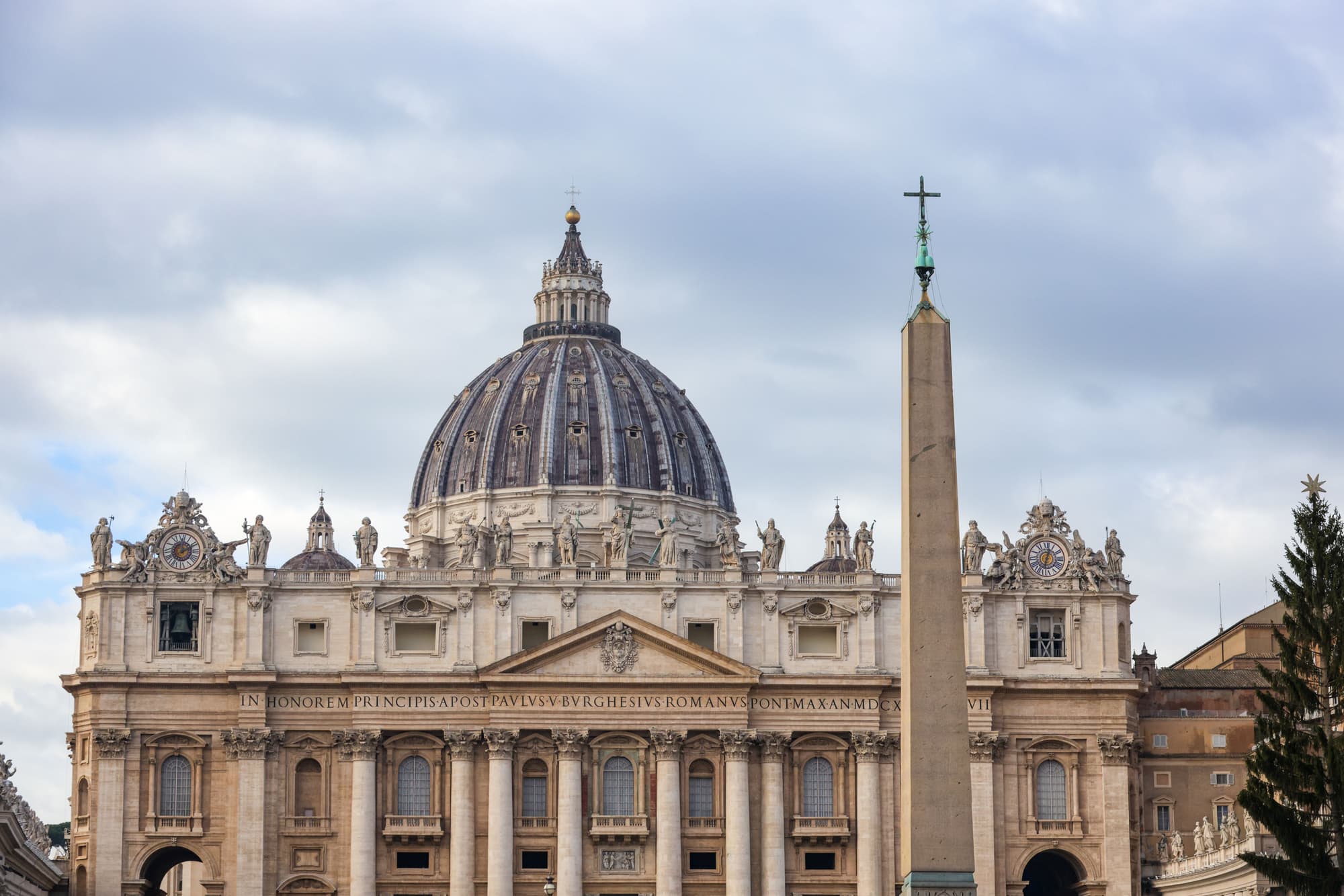
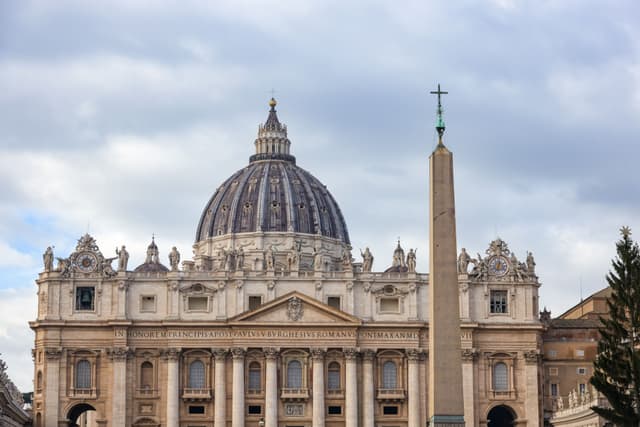
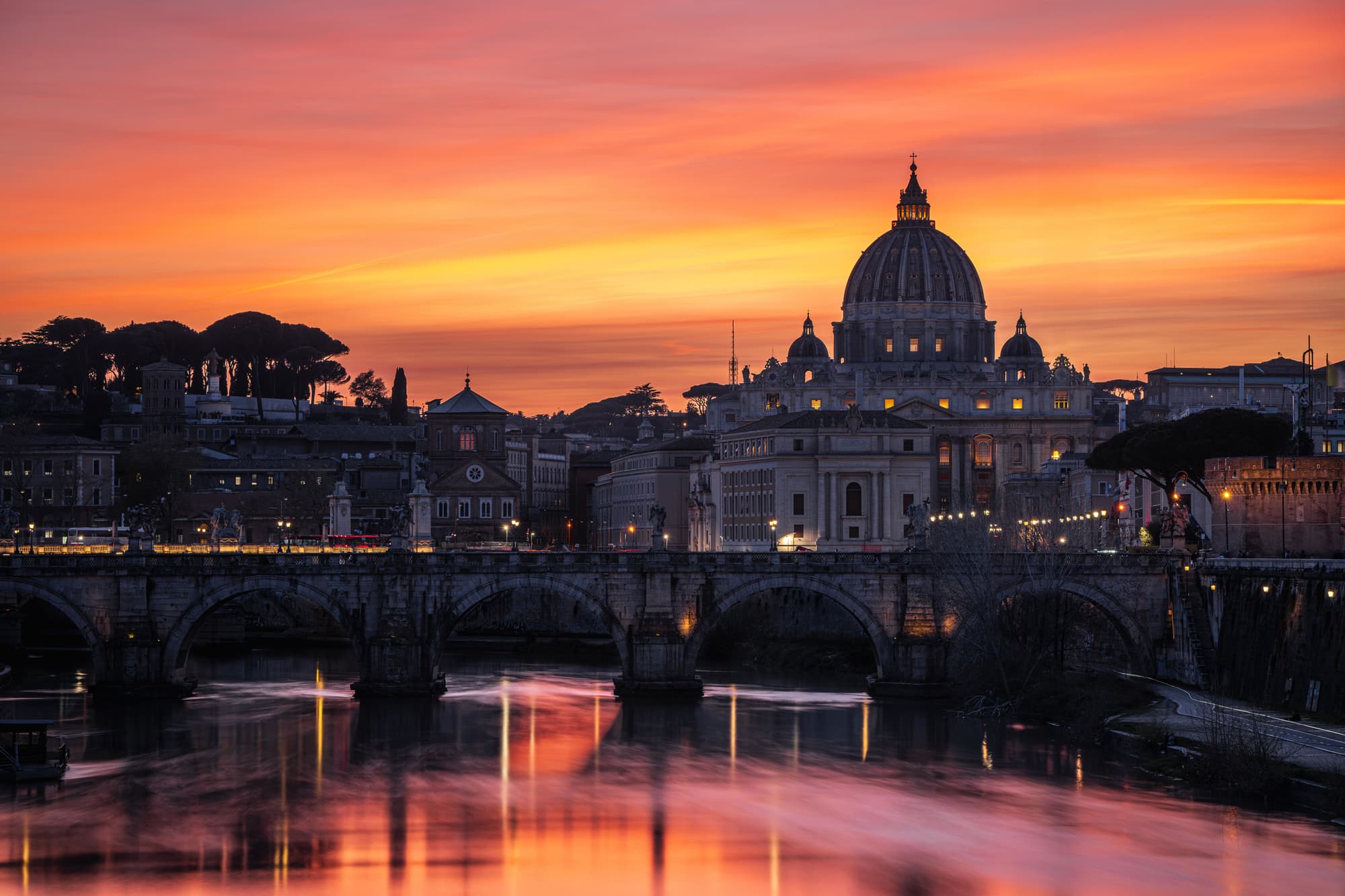
St Peter's Basilica and the Vatican Museums
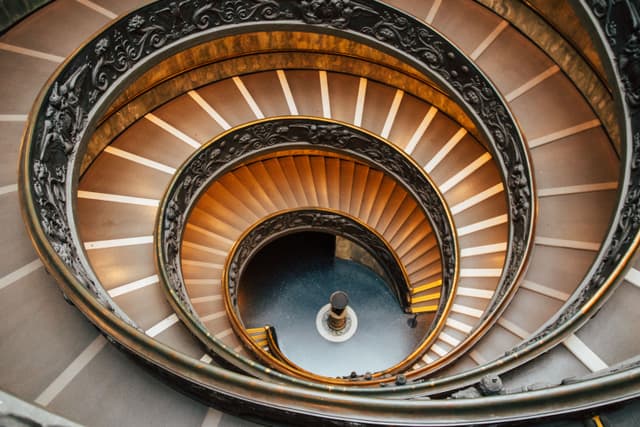
The basilica and its huge square, and the Vatican Museums, with the Sistine Chapel. To get in you need suitable clothing: no sleeveless tops, very short clothes or hats. Museum tickets, only on their official website.
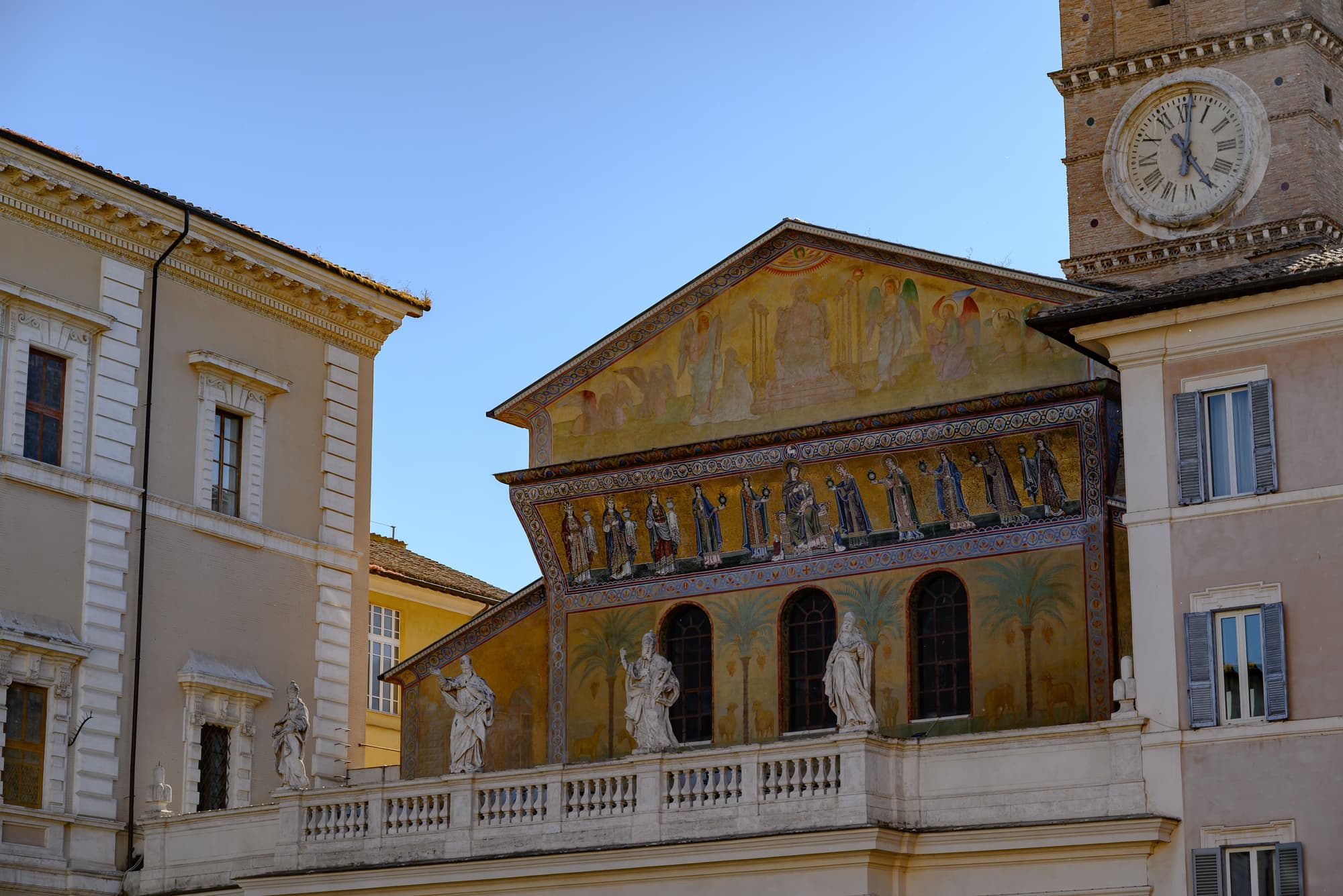
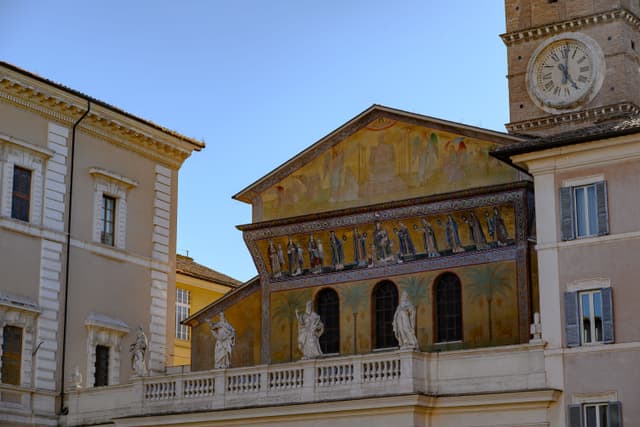
Trastevere
Cobbled streets and old houses on the other side of the Tiber. By day, the basilica of Santa Maria in Trastevere, with its golden mosaic facade. At night, trattorias and terraces full of people.
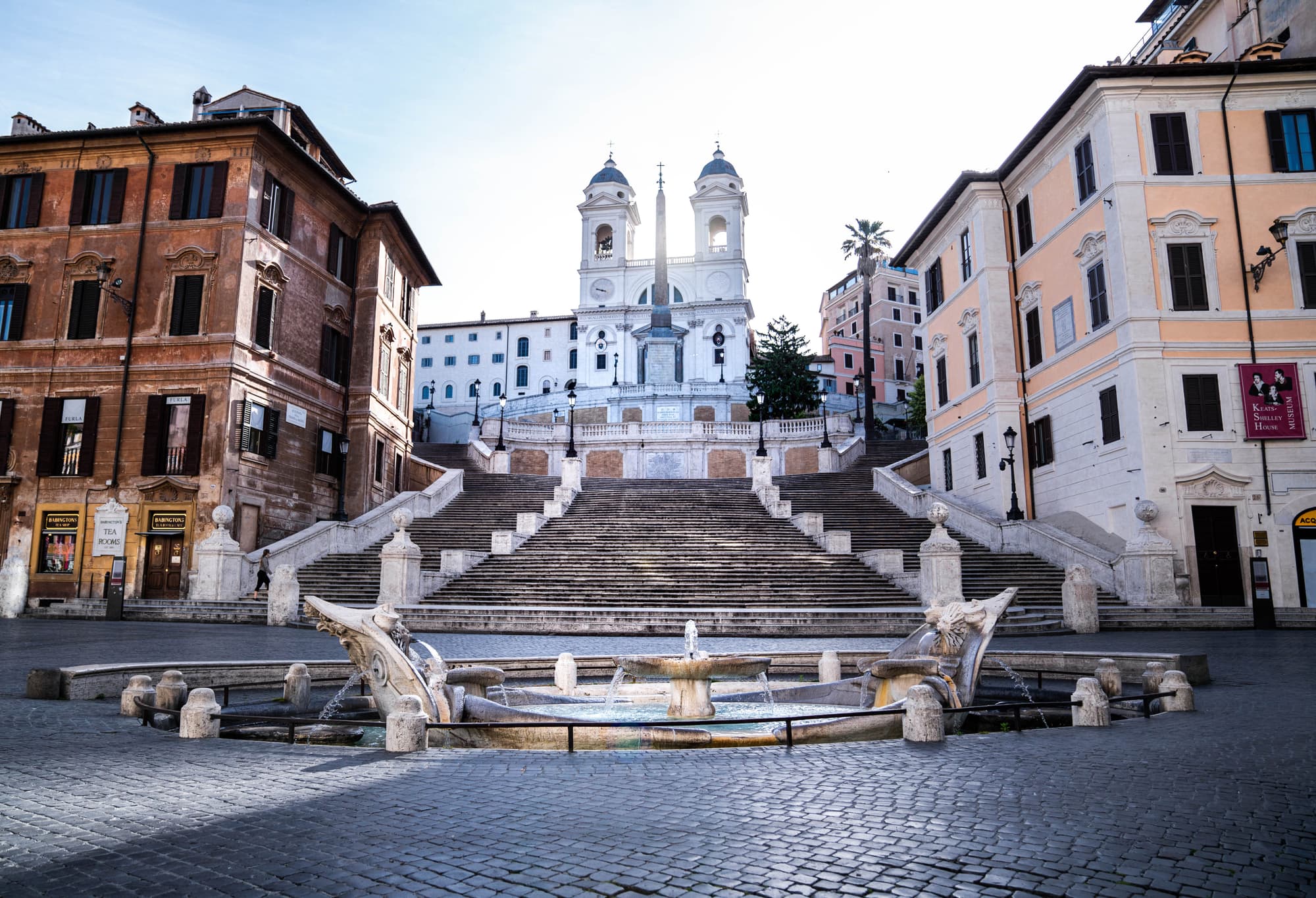
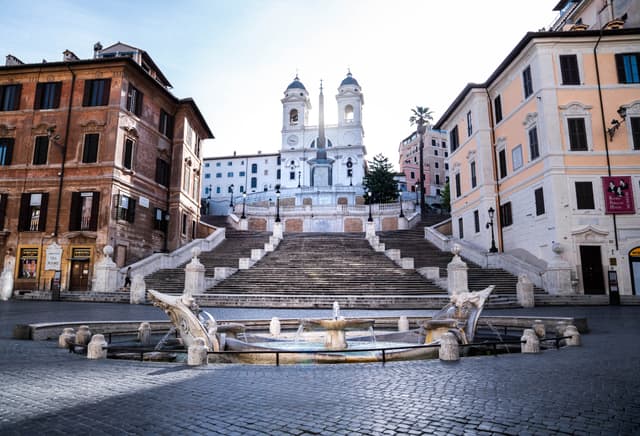
Spanish Steps and Trinità dei Monti
The most photographed staircase in Rome, with the Barcaccia fountain at the bottom and the church of Trinità dei Monti at the top. Climb all the way up and keep walking towards Villa Borghese.
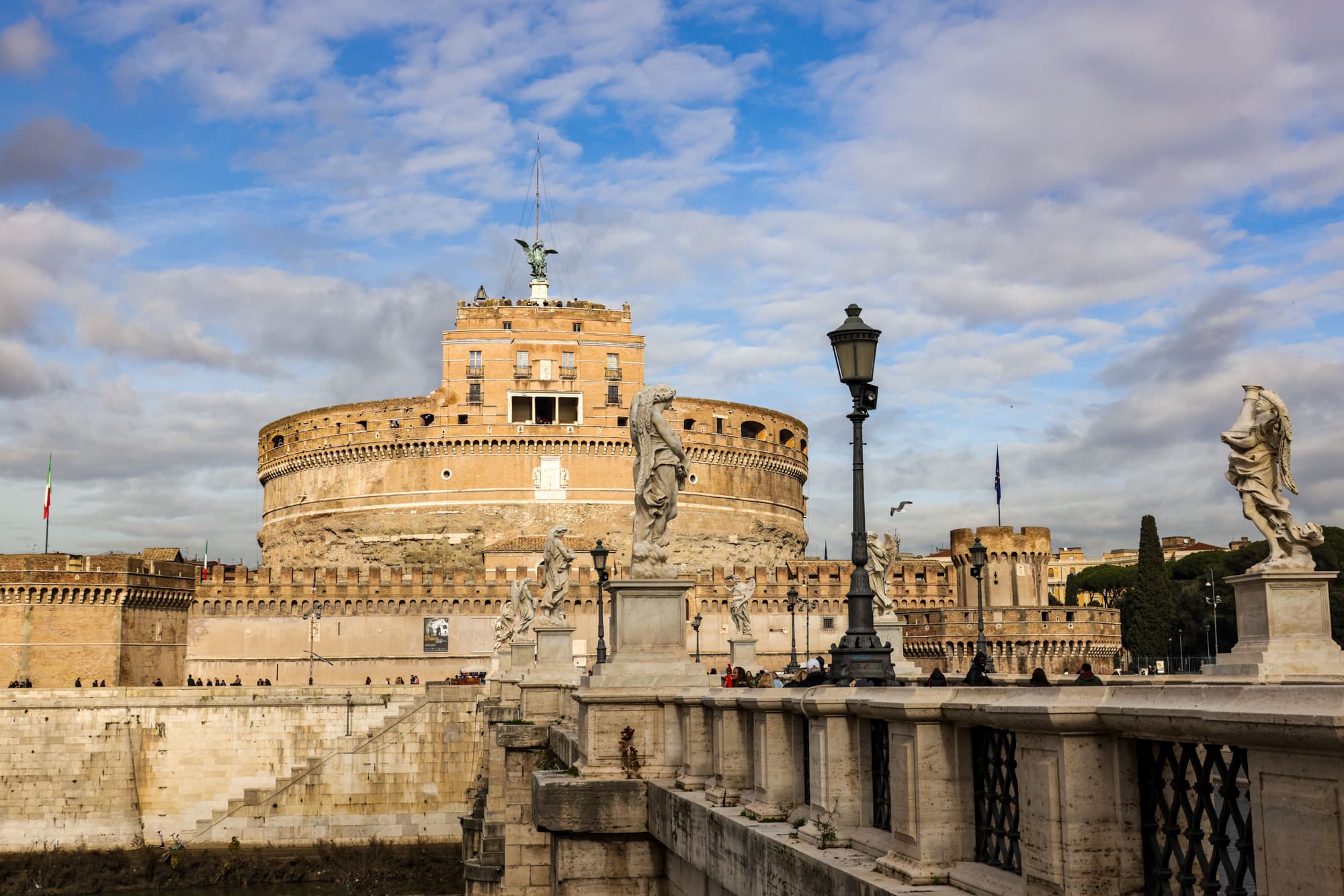
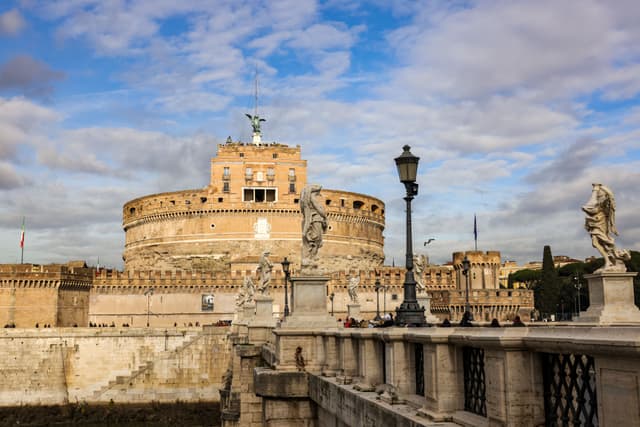
Castel Sant'Angelo
It began as the emperor Hadrian's mausoleum and the popes turned it into a fortress. Cross the Bridge of Angels and climb to the terrace to see Rome from above. It is closed on Mondays.
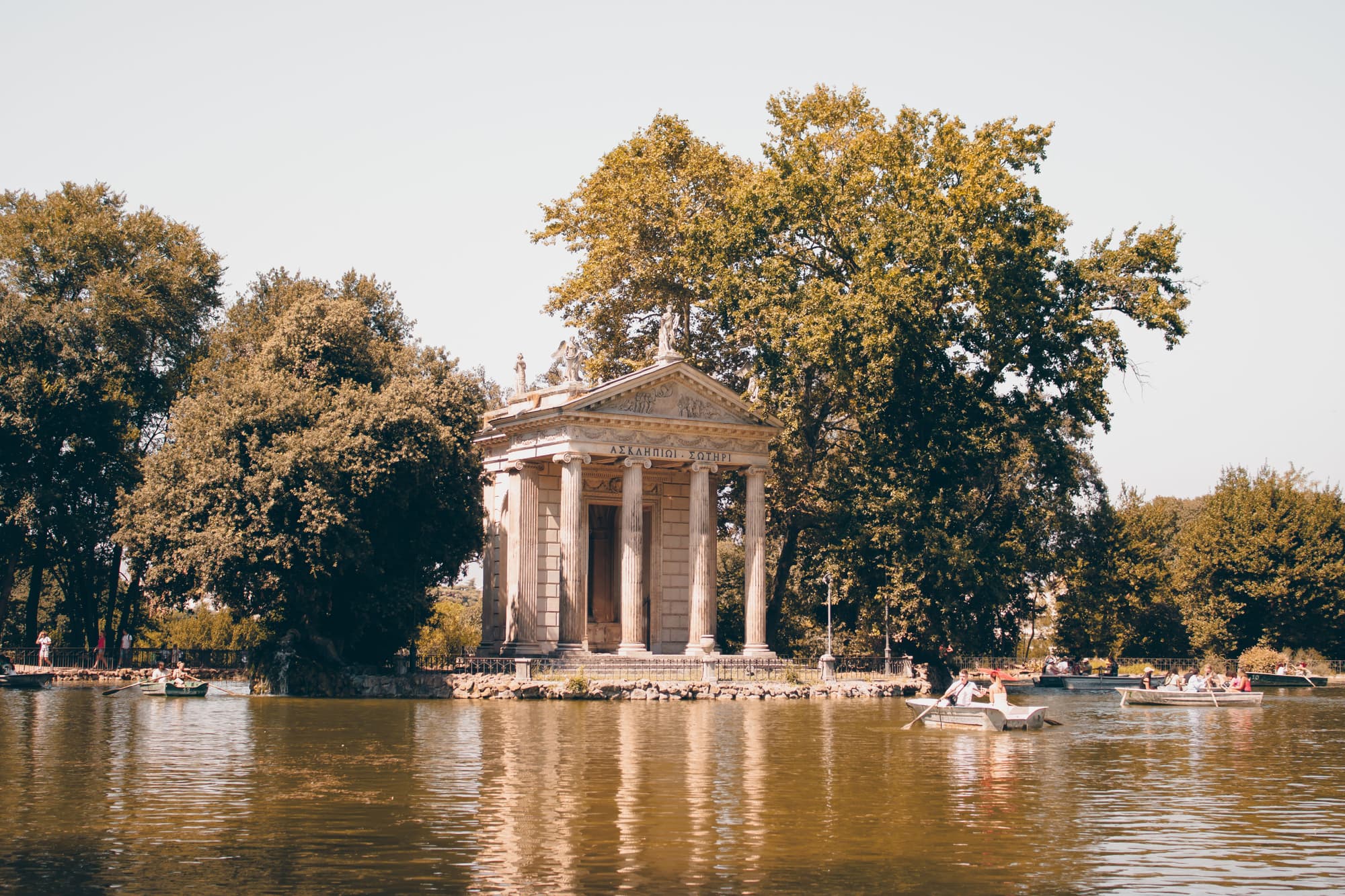
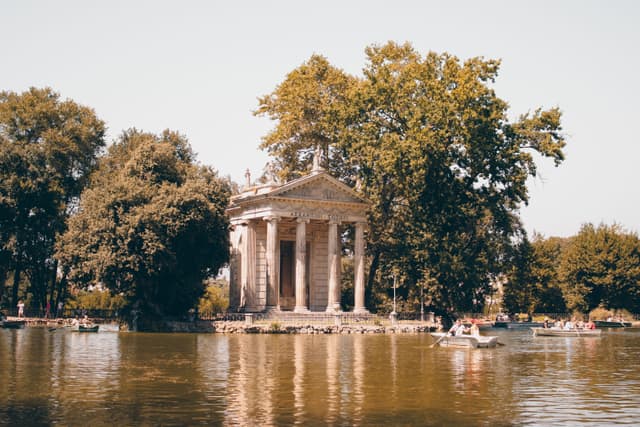
Villa Borghese and the Pincio terrace
The great park of Rome, with a lake and a little temple among the trees. From the Pincio terrace you get one of the best views of the city. Perfect for slowing down.
Day trips and extras
For when you have seen the classics and fancy getting out of the city.
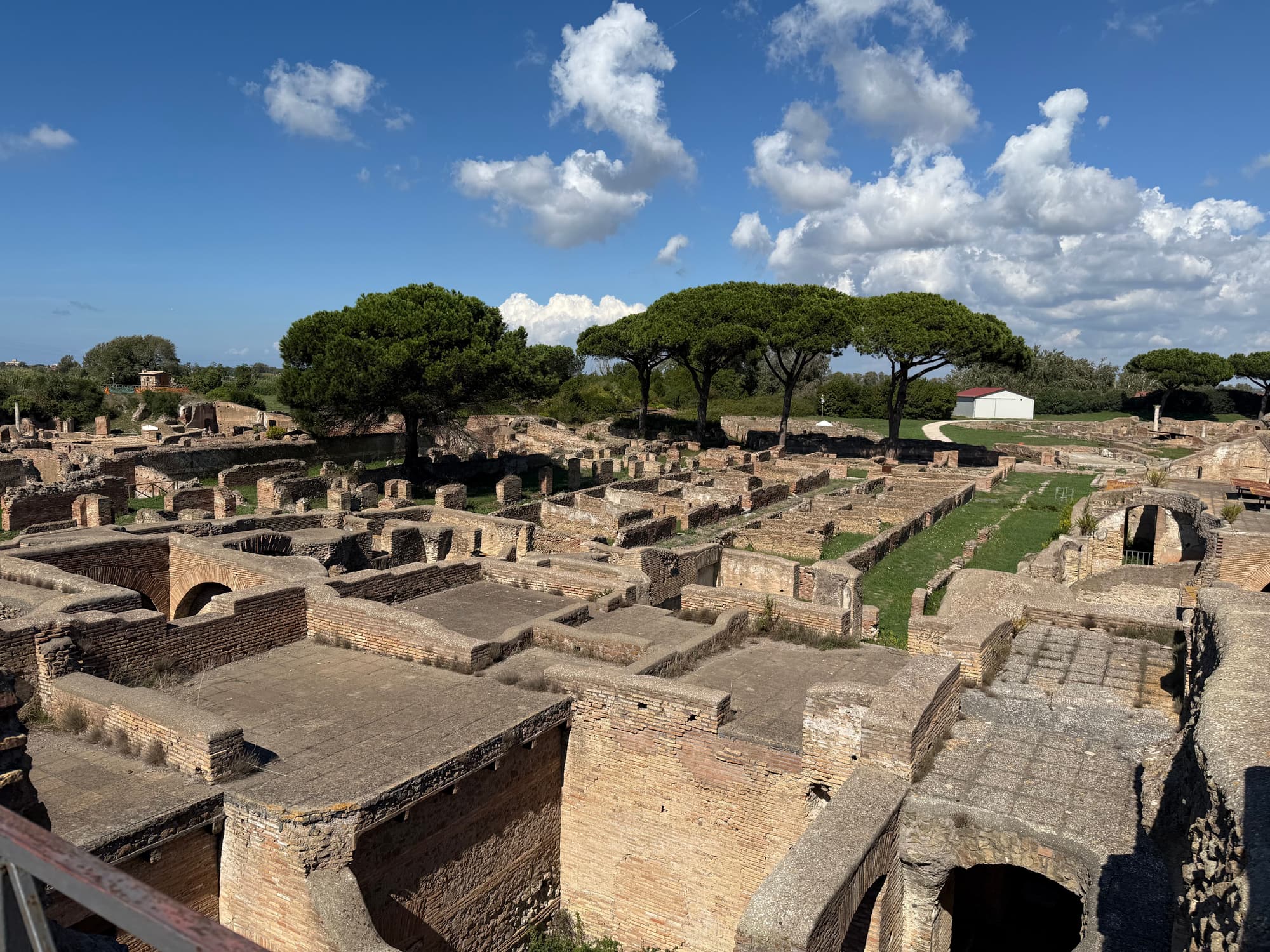
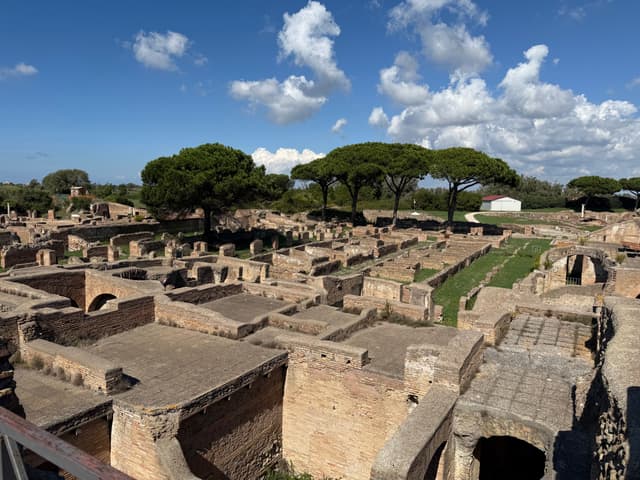
Ostia Antica
The ancient port of Rome, about 25 km away, with streets, baths and mosaics in a very good state of preservation. You get there by train from Rome and stroll among pine trees. It is closed on Mondays.
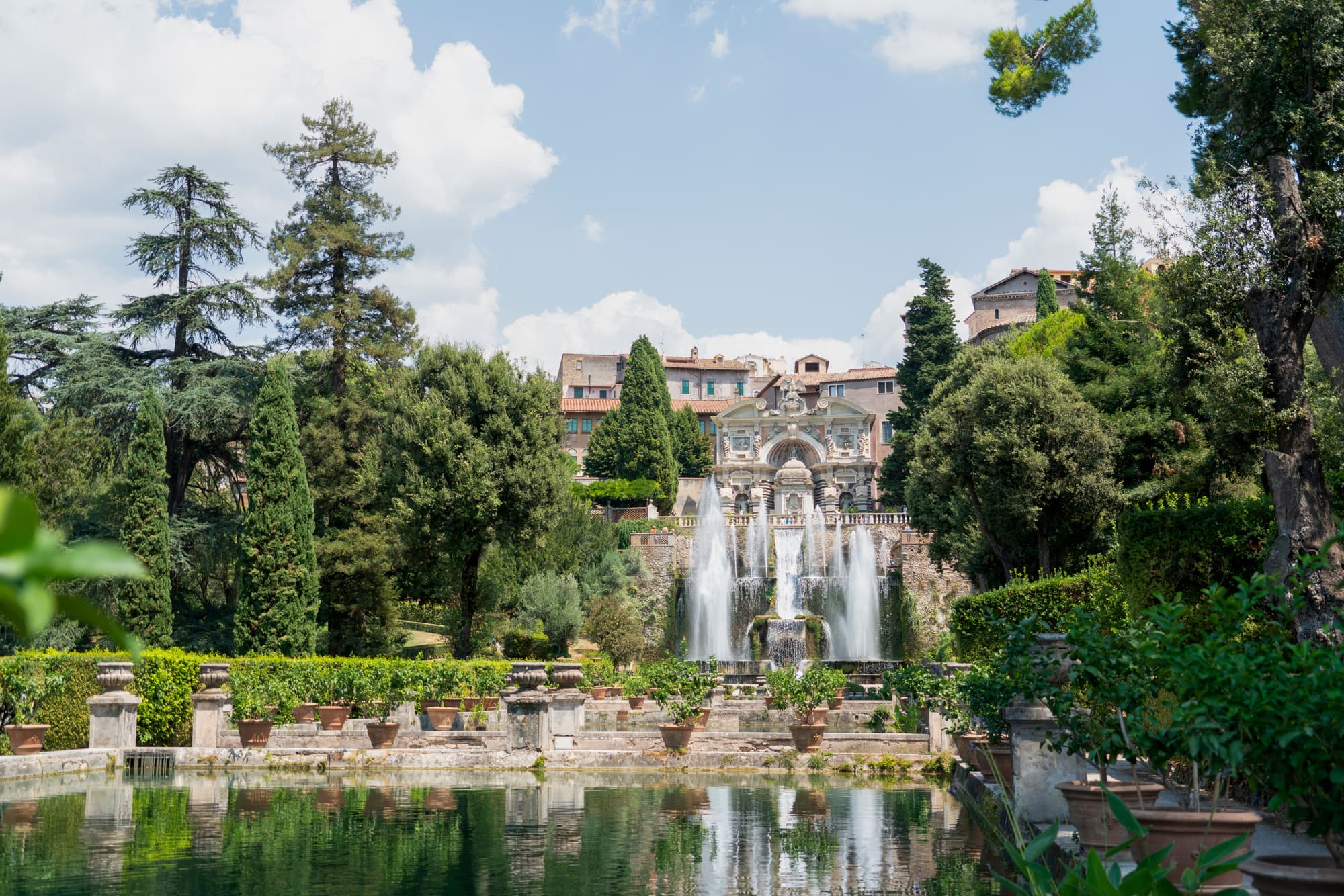
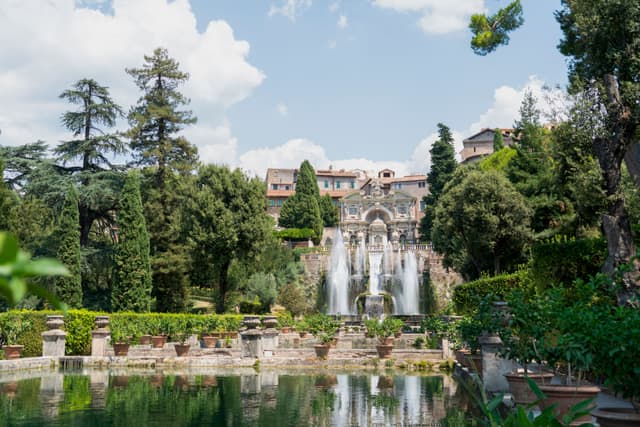
Tivoli: Hadrian's Villa and Villa d'Este
About 30 km from Rome, two World Heritage sites: the ruins of the emperor Hadrian's villa and the fountain gardens of Villa d'Este. For a day among stone, water and greenery.
Key facts about Rome
What people ask most before they go, at a glance.
- Documents
- On a Spanish passport/ID: a valid ID card or passport. No visa needed. Spanish Foreign Ministry · 24 Nov 2026
- Flight from Madrid
- Direct, about 2 h 25 min (Iberia, Ryanair, Air Europa, ITA Airways and Wizz Air). Kayak · 24 Nov 2026
- Plugs
- Types C, F and L, 230 V. Spanish plugs usually fit; if a socket does not take yours, bring an adapter. World Standards · 24 Nov 2026
- Time zone
- The same time as Madrid: UTC+1, and UTC+2 in summer (in 2026, 29 March to 25 October). timeanddate · 24 Nov 2026
- Ideal length
- 3 to 5 days our guide
When to go to Rome
Tap a month to see what to expect. In July and August, highs hover around 31 degrees.
Rome routes: 3, 5 or 7 days
Pick how many days you have. The 3-day route is the getaway; with 5 and 7 days you go at a calmer pace and leave the city.
Colosseum, Forum and Palatine Hill
One ticket gets you into all three. Set off first thing and leave the afternoon for an unhurried stroll.
The centre on foot
The Pantheon, Piazza Navona and the Trevi Fountain. In the afternoon, the Spanish Steps. For dinner, cross the Tiber to Trastevere.
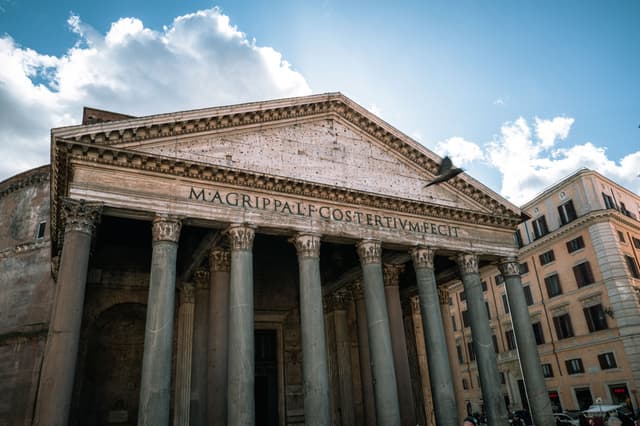
The Vatican
St Peter's Basilica and the Vatican Museums, with the Sistine Chapel. Then Castel Sant'Angelo and home.
Arrival and Trastevere
Settle in and stroll around Trastevere at sunset. Have dinner in a trattoria with the group.
Colosseum, Forum and Palatine Hill
The day of ancient Rome, at an easy pace. Set off first thing and leave the afternoon free.
The Vatican and Castel Sant'Angelo
St Peter's Basilica and the Vatican Museums in the morning. In the afternoon, Castel Sant'Angelo and the Bridge of Angels.
The centre on foot
The Pantheon, Piazza Navona and the Trevi Fountain, unhurried and without a map. The best of Rome is between one square and the next.
Spanish Steps and farewell
The staircase and a walk through Villa Borghese to the Pincio terrace. A free last morning and then home.
Arrival and Trastevere
Settle in and stroll around Trastevere at sunset. Have dinner in a trattoria with the group.
Colosseum, Forum and Palatine Hill
The day of ancient Rome, at an easy pace. Set off first thing and leave the afternoon free.
The Pantheon, Navona and Trevi
The centre on foot, without rushing. Evening falls over Piazza Navona.
The Vatican
St Peter's Basilica and the Vatican Museums, with the Sistine Chapel. A whole day to see it without rushing.
Castel Sant'Angelo, Spanish Steps and Villa Borghese
The castle in the morning, the staircase at midday and the park in the afternoon, with the Pincio terrace to end the day.
Ostia Antica or Tivoli
A day out of the city: the ancient port of Rome, by train, or the villas of Tivoli, with the gardens of Villa d'Este.
The Appian Way and farewell
A morning on the Roman road, among tombs and catacombs. The first few kilometres have a lot of traffic; further on, it is a calm walk. Then home.
Before you lock in the plan, check the closing days. Castel Sant'Angelo and Ostia Antica are closed on Mondays, and the Vatican Museums are closed on most Sundays.
Before you pack
Where to stay, how to get around and what to know on day one.
Pick the area before the hotel
- Historic centre. The Pantheon, Piazza Navona and the Trevi Fountain are all within walking distance. It is the most convenient option if you are only there for a few days.
- Trastevere. Cobbled streets, a neighbourhood feel and plenty of places for dinner. For staying where there is life at night.
- Getting around. The centre is best covered on foot. For longer trips, take the metro (three lines: A, B and C), the tram or the bus. Line A goes to Ottaviano, next to the Vatican, and lines B and C meet at Colosseo.
- By car, better not. The historic centre is a limited traffic zone (ZTL), and since January 2026 the speed limit there is 30 km/h. If you are driving, ask your accommodation first.
Four things that help
- Book the Colosseum in advance. You enter at a set time and the ticket is in one person's name: bring your ID. Tickets go on sale 30 days ahead, on its official website.
- Dress for the churches. At St Peter's and the Vatican Museums they do not allow sleeveless tops, very short clothes or hats. Cover your shoulders and knees.
- Buy Vatican tickets only on its official website. Very similar-looking sites charge much more.
- Watch your bag. In crowded places and on public transport there are pickpockets.
Rome is better with people who want the same trip as you
We want you to meet the people you will travel with, and for them to meet you. That is why, at TripOnTrib, this comes before you pack.
On agency trips you can join directly, without verifying. Booking and documents are handled directly with the agency.
What people ask before going to Rome
If one is missing, write to us and we will add it.
How many days do I need to see Rome?
With 3 days you can do a getaway: ancient Rome, the centre on foot and the Vatican. With 5 you go at a calmer pace, and with 7 you add a day trip to Ostia Antica or Tivoli and the Appian Way.
When is the best time to go to Rome?
April to June and September, with mild days. In July and August the average high is around 31 degrees. November is the wettest month.
What documents do I need to travel to Rome?
With a Spanish ID card or passport, you need a valid one of the two. No visa is needed. Always carry your document with you. Check Spain's foreign ministry website before you leave. If you hold another passport, check the rules for your nationality.
Is it safe to travel to Rome?
Spain's foreign ministry puts no travel restrictions on Italy. It does warn about pickpockets in crowded places and on public transport. Always read its Italy page before you leave.
Is there a direct flight from Madrid?
Yes. Iberia, Ryanair, Air Europa, ITA Airways and Wizz Air fly direct from Madrid to Rome, in about 2 hours 25 minutes on average.
How do Colosseum and Vatican tickets work?
The ticket for the Colosseum, the Forum and Palatine Hill is valid for 24 hours and is bought on the official website, for a set time and in one person's name. From 25 October 2026 to 28 February 2027 the park is open from 8:30 to 16:30, with last entry at 15:30. The Vatican Museums are open Monday to Saturday, from 8:00 to 20:00, with last entry at 18:00, and on the last Sunday of each month in the morning. Always buy on the official websites.
Do I have to pay to see the Trevi Fountain and the Pantheon?
To go down to the area closest to the Trevi Fountain you need a €2 ticket for tourists and non-residents (free up to age 5), every day from 9:00 to 22:00. The Pantheon costs €7 since 1 July 2026 and is free for under-18s. Hours and prices can change: check the official websites.
Is there a tourist tax in Rome?
Yes. Rome charges a tax per night of stay, and the amount depends on the type of accommodation. Ask how much it is when you book.
How much does a trip to Rome cost?
The price is set by whoever organises each trip. In the app you see the price and what it includes before you sign up.
How does group travel with TripOnTrib work?
You pick an open trip, see who is going and talk to the group in the chat before you decide. Everyone pays their own share.
What happens if the trip doesn't fill up?
On each trip you can see how many people are still needed for it to go ahead.
How we know what we tell you
Last check of this page: 24 Nov 2026. If something changes, we update it and the date changes.
See the 30 sources we checked
- Spanish Foreign Ministry: travel advice for Italy (documents, visa and safety warnings) accessed 24 Nov 2026
- Kayak: direct flight from Madrid to Rome accessed 24 Nov 2026
- Wikipedia: languages of Italy accessed 24 Nov 2026
- Wikipedia: the euro and the countries that use it accessed 24 Nov 2026
- World Standards: plugs and voltage in Italy accessed 24 Nov 2026
- timeanddate: Rome's time and summer time in 2026 accessed 24 Nov 2026
- timeanddate: Madrid's time and summer time in 2026 accessed 24 Nov 2026
- Climates to Travel: climate and best time to visit Rome accessed 24 Nov 2026
- Wikipedia: climate of Rome (temperatures and rainfall, 1991-2020) accessed 24 Nov 2026
- Colosseum Archaeological Park: opening times and tickets accessed 24 Nov 2026
- Vatican Museums: days and opening hours accessed 24 Nov 2026
- Vatican Museums: visitor advice (dress code and tickets) accessed 24 Nov 2026
- St Peter's Basilica: rules for visiting accessed 24 Nov 2026
- Italian Ministry of Culture: the Pantheon (hours and ticket) accessed 24 Nov 2026
- Turismo Roma: new access to the Trevi Fountain accessed 24 Nov 2026
- Turismo Roma: tourist tax (contributo di soggiorno) accessed 24 Nov 2026
- Italian Ministry of Culture: Castel Sant'Angelo (hours and booking) accessed 24 Nov 2026
- Ostia Antica Archaeological Park: opening hours and tickets accessed 24 Nov 2026
- Turismo Roma: getting to Ostia Antica and what to see accessed 24 Nov 2026
- Hadrian's Villa and Villa d'Este: opening hours accessed 24 Nov 2026
- Wikipedia: Ostia Antica accessed 24 Nov 2026
- Wikipedia: Tivoli accessed 24 Nov 2026
- Wikipedia: the Appian Way accessed 24 Nov 2026
- Wikipedia: Rome Metro accessed 24 Nov 2026
- Turismo Roma: 30 km/h zone in the historic centre (ZTL) accessed 24 Nov 2026
- Wikipedia: Piazza Navona accessed 24 Nov 2026
- Wikipedia: the Spanish Steps accessed 24 Nov 2026
- Wikipedia: Villa Borghese accessed 24 Nov 2026
- Wikipedia: Castel Sant'Angelo accessed 24 Nov 2026
- Wikipedia: Trastevere accessed 24 Nov 2026
Does your agency have a trip to Rome?
Show it to thousands of travellers looking for people to travel with. You set the itinerary, the price and the spots.
I want to fill my spots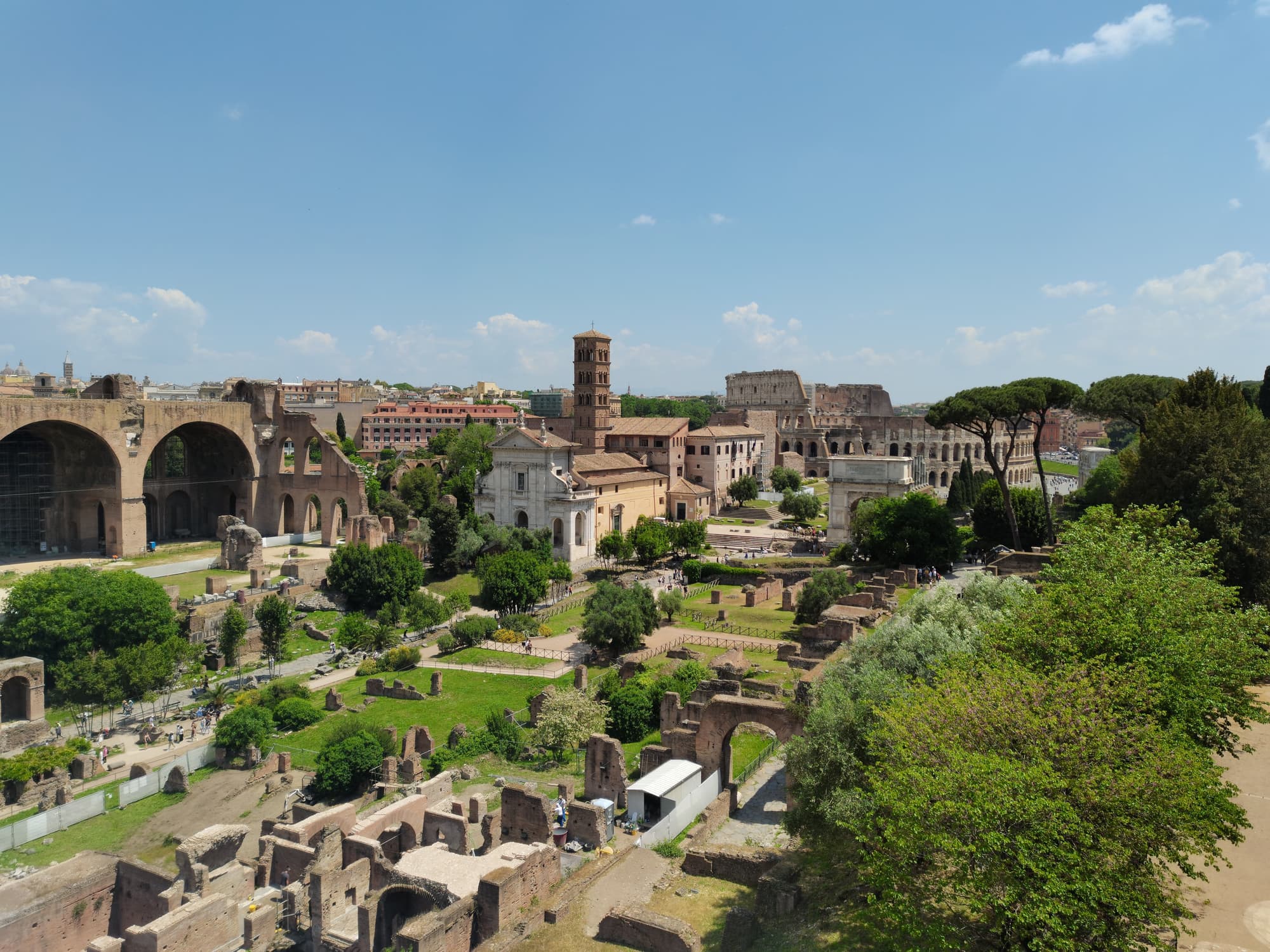

Fancy Rome with people who want the same trip as you?
See who is going and talk to the group before you decide. Let the adventure begin.
 Scan with your phone